CRM and sales tools are no longer separate entities but rather powerful allies in the modern sales landscape. They work in tandem to streamline processes, automate tasks, and ultimately drive sales success. By integrating these tools, businesses can gain a comprehensive view of their customers, personalize interactions, and optimize their sales efforts.
This article explores the intricacies of CRM and sales tools, delving into their individual capabilities and the synergistic benefits they offer when combined. We’ll examine the key features of each, explore successful integration strategies, and highlight real-world examples of how companies are leveraging these tools to achieve remarkable results.
What is CRM?
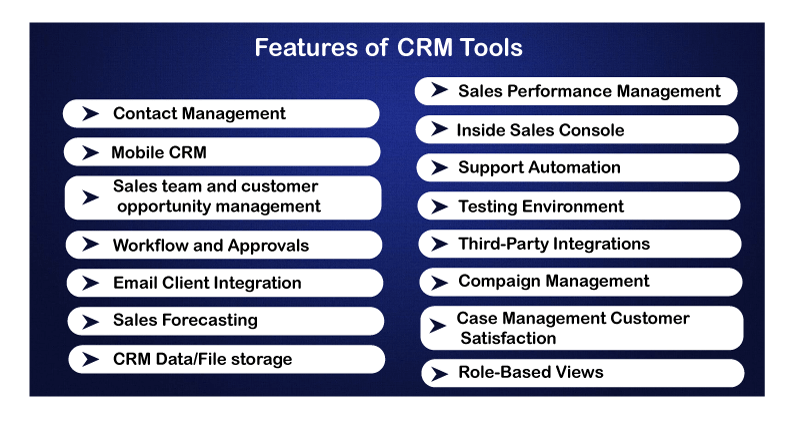
CRM, or Customer Relationship Management, is a strategy and a suite of technologies that help businesses manage their interactions with current and potential customers. It’s essentially a way to organize and streamline all your customer-related data and processes, making it easier to build strong relationships and ultimately drive sales.
The Role of CRM in Sales
CRM plays a crucial role in sales by providing a centralized platform for managing leads, opportunities, and customer interactions. It helps sales teams:
- Track leads and opportunities: CRM systems allow you to capture and manage leads from various sources, track their progress through the sales funnel, and prioritize opportunities based on their potential.
- Improve communication and collaboration: By centralizing customer data, CRM enables seamless communication and collaboration among sales team members, ensuring everyone is on the same page.
- Personalize customer interactions: CRM systems allow you to gather and analyze customer data, providing insights into their preferences and behavior. This enables you to personalize communication and offer relevant products and services.
- Increase sales efficiency: CRM streamlines sales processes, automates tasks, and provides real-time insights, allowing sales teams to focus on high-value activities and close deals faster.
Key Features of a CRM System
CRM systems offer a wide range of features designed to enhance customer relationship management. Some of the key features include:
- Contact Management: This feature allows you to store and manage customer information, including contact details, demographics, purchase history, and communication preferences.
- Sales Pipeline Management: CRM systems provide tools for managing the sales process, from lead generation to closing deals. This includes tracking leads, opportunities, and quotes, and analyzing sales performance.
- Marketing Automation: CRM systems integrate with marketing automation tools, allowing you to automate marketing campaigns, track their effectiveness, and personalize customer interactions.
- Customer Service and Support: CRM systems can be used to manage customer support requests, track issues, and provide efficient resolution. This helps improve customer satisfaction and loyalty.
- Reporting and Analytics: CRM systems offer powerful reporting and analytics tools that provide insights into customer behavior, sales performance, and marketing campaign effectiveness. This data can be used to make informed business decisions.
Examples of CRM Systems
There are numerous CRM systems available, each catering to different business needs and sizes. Some popular examples include:
- Salesforce: Salesforce is a leading cloud-based CRM platform known for its comprehensive features, scalability, and customization options. It’s widely used by businesses of all sizes.
- Microsoft Dynamics 365: Microsoft Dynamics 365 is another popular CRM platform that offers a wide range of features, including sales, marketing, customer service, and field service modules. It integrates well with other Microsoft products.
- HubSpot: HubSpot is a CRM platform that focuses on inbound marketing and sales. It offers features for managing leads, nurturing prospects, and automating marketing tasks. It’s particularly popular among small and medium-sized businesses.
- Zoho CRM: Zoho CRM is a comprehensive CRM platform that offers a wide range of features at an affordable price. It’s a good option for businesses looking for a cost-effective solution.
Sales Tools and Their Integration with CRM
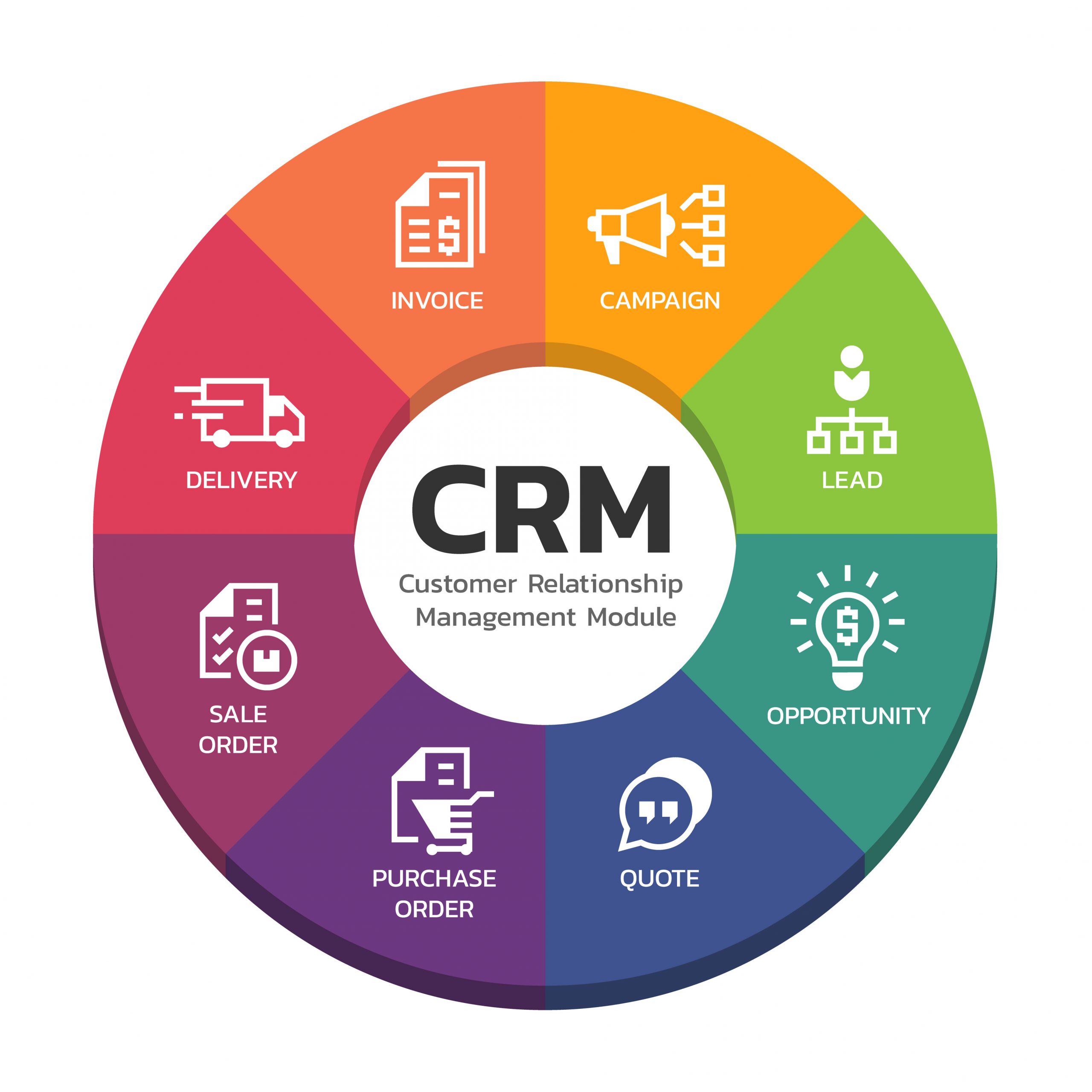
CRM systems are powerful platforms for managing customer relationships, but they often require additional tools to enhance their capabilities for sales teams. Integrating sales tools with CRM systems can significantly streamline sales processes, boost efficiency, and improve overall sales performance.
Common Sales Tools Integrated with CRM
Sales tools integrated with CRM systems are designed to address specific needs in the sales cycle, such as lead generation, communication, and sales automation. These tools work together to provide a comprehensive sales solution that helps teams close more deals and improve customer satisfaction.
- Email Marketing Tools: These tools enable personalized email campaigns to nurture leads, send promotional offers, and keep customers engaged. They integrate with CRM systems to segment customer lists, track email opens and clicks, and provide insights into email campaign performance. Examples include Mailchimp, Constant Contact, and HubSpot Email Marketing.
- Social Media Management Tools: These tools help manage social media presence, engage with potential customers, and monitor brand mentions. They integrate with CRM systems to capture leads from social media channels, track social media activity, and analyze social media sentiment. Examples include Hootsuite, Buffer, and Sprout Social.
- Sales Automation Tools: These tools automate repetitive tasks such as lead scoring, follow-up emails, and appointment scheduling, freeing up sales representatives’ time to focus on high-value activities. They integrate with CRM systems to trigger automated actions based on specific events, such as lead qualification or customer interactions. Examples include Zapier, Automate.io, and Salesforce Sales Cloud.
- E-commerce Platforms: These platforms provide online storefronts for businesses to sell products and services. They integrate with CRM systems to track customer purchases, manage inventory, and personalize customer experiences. Examples include Shopify, WooCommerce, and Magento.
- Live Chat Tools: These tools provide real-time communication with website visitors, enabling instant support and lead capture. They integrate with CRM systems to capture chat transcripts, track customer interactions, and provide context for future conversations. Examples include Drift, Intercom, and Zendesk Chat.
Integration Methods
CRM and sales tool integrations can be achieved through various methods, including APIs, webhooks, and data synchronization.
- APIs (Application Programming Interfaces): APIs allow different applications to communicate with each other, enabling seamless data exchange between CRM and sales tools. This method allows for real-time data synchronization and automated workflows.
- Webhooks: Webhooks are automated notifications sent from one application to another when specific events occur. For example, a webhook can be triggered when a new lead is created in a CRM system, automatically sending the lead information to a sales automation tool.
- Data Synchronization: This method involves periodically transferring data between CRM and sales tools. While less real-time than APIs or webhooks, data synchronization can be effective for less time-sensitive data updates.
Examples of Successful Integrations, Crm and sales tools
Several companies have successfully integrated CRM and sales tools to improve their sales performance and customer experience.
- Salesforce and HubSpot: Salesforce, a leading CRM platform, integrates seamlessly with HubSpot, a comprehensive marketing and sales automation platform. This integration allows businesses to manage their marketing campaigns, track leads, and automate sales processes within a unified platform.
- Microsoft Dynamics 365 and LinkedIn Sales Navigator: Microsoft Dynamics 365, another popular CRM platform, integrates with LinkedIn Sales Navigator, a social selling tool. This integration enables sales representatives to access LinkedIn profiles, track sales activities, and generate leads through social media.
- Zoho CRM and Mailchimp: Zoho CRM, a cloud-based CRM platform, integrates with Mailchimp, an email marketing platform. This integration allows businesses to segment their customer lists, send targeted email campaigns, and track email engagement within the Zoho CRM platform.
Ultimate Conclusion: Crm And Sales Tools

In today’s competitive market, businesses can no longer afford to operate in silos. By embracing the power of CRM and sales tools, organizations can unlock a world of possibilities, fostering deeper customer relationships, driving sales growth, and ultimately achieving lasting success. As technology continues to evolve, the integration of CRM and sales tools will become even more critical, empowering businesses to stay ahead of the curve and thrive in the digital age.
Detailed FAQs
What are some examples of popular CRM systems?
Popular CRM systems include Salesforce, HubSpot, Zoho CRM, Microsoft Dynamics 365, and Pipedrive. Each system offers a unique set of features and functionalities to cater to different business needs.
How can I choose the right CRM and sales tools for my business?
Consider your business size, industry, budget, and specific requirements when selecting CRM and sales tools. It’s essential to align your choices with your business goals and ensure a seamless integration with existing systems.
What are the potential challenges of implementing CRM and sales tools?
Challenges may include data migration, user adoption, system integration, and ongoing maintenance. Addressing these challenges proactively through proper planning and execution is crucial for a successful implementation.