CRM software for sales reps is a game-changer in today’s competitive market. It empowers sales teams to streamline processes, nurture leads, and ultimately drive revenue. By centralizing customer data and automating tasks, CRM software frees up valuable time for reps to focus on building meaningful relationships and closing deals.
From managing contacts and tracking leads to forecasting sales and analyzing performance, CRM software offers a comprehensive suite of tools designed to optimize every stage of the sales cycle. This article delves into the essential features, benefits, and implementation strategies for maximizing the potential of CRM software in sales.
Introduction to CRM Software for Sales Reps
In today’s competitive business landscape, sales representatives need every advantage they can get. CRM software is a powerful tool that can help them streamline their sales processes, improve efficiency, and ultimately, boost their sales performance.
CRM software, short for Customer Relationship Management software, is designed to manage and organize all your interactions with potential and existing customers. It’s a centralized system that helps you track leads, manage opportunities, and nurture relationships, all in one place.
Key Features and Benefits of CRM Software for Sales Reps
CRM software offers a wide range of features that are specifically designed to benefit sales representatives. These features can help you manage your time effectively, prioritize leads, and ultimately, close more deals.
- Lead Management: CRM software allows you to capture and organize information about potential customers, including their contact details, interests, and previous interactions. This enables you to effectively track leads, prioritize them based on their potential, and allocate your time accordingly.
- Opportunity Management: CRM software helps you track the progress of your sales opportunities. You can create pipelines, assign tasks, and set deadlines to ensure that deals are moving forward. The software can also provide insights into the status of each opportunity, allowing you to identify potential roadblocks and take corrective actions.
- Sales Automation: CRM software can automate many repetitive tasks, such as sending email campaigns, scheduling appointments, and generating reports. This frees up your time to focus on more strategic activities, like building relationships with customers and closing deals.
- Customer Insights: CRM software collects data on customer interactions, providing valuable insights into their needs and preferences. This information can be used to personalize your sales approach, tailor your messaging, and offer relevant products and services.
- Reporting and Analytics: CRM software provides comprehensive reporting and analytics tools that allow you to track your sales performance, identify trends, and measure the effectiveness of your sales strategies. You can use this data to make informed decisions about how to improve your sales process and achieve your goals.
Essential Features of CRM Software for Sales Reps
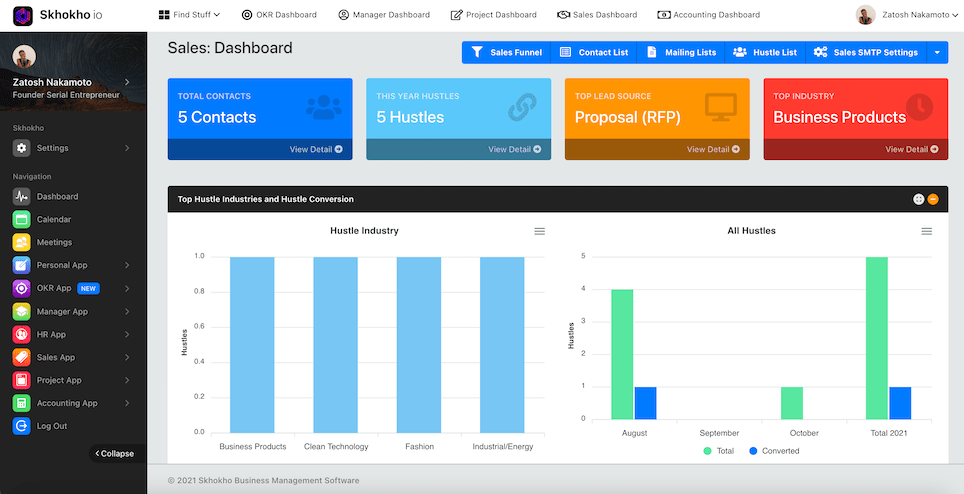
CRM software offers a range of features designed to streamline and enhance the sales process. These features are crucial for sales representatives to manage their leads, track opportunities, and ultimately, increase sales.
Contact Management
Contact management is a fundamental feature of CRM software. It allows sales reps to store and organize information about their prospects and customers in a centralized location. This information includes names, contact details, company information, and interaction history. Effective contact management empowers sales reps to:
- Maintain accurate and up-to-date contact information: This ensures that sales reps can reach out to the right person at the right time, reducing wasted effort and increasing communication effectiveness.
- Segment and categorize contacts: By grouping contacts based on criteria such as industry, company size, or purchase history, sales reps can tailor their communication and marketing efforts for better engagement.
- Track interactions and communication history: This provides a complete view of previous interactions, enabling sales reps to build personalized relationships and avoid repetitive communication.
Lead Tracking
Lead tracking is a critical feature that enables sales reps to monitor the progress of potential customers through the sales funnel. By tracking leads, sales reps can:
- Identify and prioritize high-potential leads: This helps sales reps focus their efforts on leads with the highest likelihood of conversion, maximizing efficiency and productivity.
- Measure the effectiveness of lead generation campaigns: Tracking leads allows sales reps to assess the performance of their campaigns and identify areas for improvement.
- Assign leads to specific sales representatives: This ensures that leads are handled by the appropriate team member, improving accountability and coordination.
Opportunity Management
Opportunity management helps sales reps manage their sales pipeline and track the progress of deals. Key features include:
- Creating and managing opportunities: Sales reps can create detailed records for each opportunity, including information about the potential customer, the product or service being offered, and the estimated value of the deal.
- Tracking deal stages: By tracking the progress of deals through different stages, sales reps can monitor their progress and identify potential roadblocks.
- Forecasting sales: Opportunity management features allow sales reps to estimate the likelihood of closing deals and forecast future sales, providing valuable insights for planning and decision-making.
Sales Forecasting
Sales forecasting is a crucial aspect of CRM software that helps sales reps predict future sales performance. This feature leverages data from lead tracking, opportunity management, and historical sales data to provide accurate forecasts. By leveraging sales forecasting, sales reps can:
- Set realistic sales goals: Accurate forecasting helps sales reps set achievable targets and avoid overcommitting or underestimating their potential.
- Identify potential bottlenecks: Sales forecasting can highlight areas where sales efforts need to be adjusted or intensified to meet targets.
- Allocate resources effectively: By understanding future sales trends, sales reps can allocate resources and prioritize activities for optimal performance.
Benefits of Using CRM Software for Sales Reps
CRM software offers a plethora of advantages for sales reps, streamlining their workflows, improving efficiency, and ultimately driving sales success. By centralizing customer information, automating tasks, and providing insightful analytics, CRM empowers sales reps to focus on what matters most – building strong customer relationships and closing deals.
Improved Lead Qualification
Effective lead qualification is crucial for maximizing sales efforts and ensuring that valuable time is spent on prospects who are most likely to convert. CRM software plays a vital role in this process by providing tools and insights that help sales reps identify and prioritize high-quality leads.
- Lead Scoring: CRM systems use predefined criteria to assign scores to leads based on their characteristics and behavior. This scoring system helps sales reps quickly assess the potential of each lead and prioritize those with the highest scores. For instance, a lead who has visited the company’s website multiple times, downloaded a white paper, and requested a demo might receive a higher score than a lead who only filled out a contact form.
- Lead Nurturing: CRM software allows sales reps to automate personalized communication with leads at different stages of the sales funnel. This nurturing process helps build relationships, educate prospects, and keep them engaged until they are ready to make a purchase. For example, a series of automated emails could be sent to new leads, providing them with valuable content, answering common questions, and guiding them through the sales process.
Increased Sales Conversion Rates
CRM software empowers sales reps to optimize their sales processes and increase conversion rates by providing a comprehensive view of customer interactions, facilitating effective communication, and enabling data-driven decision-making.
- Sales Pipeline Management: CRM systems offer visual representations of the sales pipeline, allowing reps to track the progress of deals, identify potential bottlenecks, and proactively address any challenges. This helps reps stay organized, prioritize tasks, and ensure that deals move smoothly through the pipeline.
- Sales Forecasting: CRM software provides insights into sales trends and patterns, enabling reps to make more accurate forecasts and predictions. This helps them plan for the future, allocate resources effectively, and set realistic goals. For example, by analyzing historical sales data, a rep might be able to predict that a particular product is likely to see an increase in demand during the holiday season.
Enhanced Customer Relationships
Building strong customer relationships is essential for long-term sales success. CRM software enables sales reps to provide personalized experiences, improve communication, and foster customer loyalty.
- Customer Segmentation: CRM systems allow sales reps to segment customers based on various criteria, such as demographics, purchasing history, and engagement levels. This enables reps to tailor their communication and offers to specific customer groups, resulting in more personalized and effective interactions.
- Customer Service Integration: Many CRM systems integrate with customer service tools, providing reps with a comprehensive view of customer interactions across all channels. This allows them to address customer issues quickly and efficiently, improve satisfaction, and build stronger relationships. For example, a rep might be able to see a customer’s past interactions with customer support, allowing them to address any outstanding issues or provide a more personalized experience.
Better Sales Performance Tracking, Crm software for sales reps
CRM software provides sales reps with valuable insights into their performance, allowing them to identify areas for improvement and optimize their strategies.
- Sales Activity Tracking: CRM systems track all sales activities, such as calls, emails, meetings, and proposals. This data can be used to assess performance, identify trends, and pinpoint areas for improvement. For example, a rep might notice that they are spending too much time on unqualified leads, leading them to adjust their lead qualification process.
- Sales Reporting and Analytics: CRM software provides comprehensive reports and dashboards that visualize sales data, enabling reps to gain insights into their performance, identify trends, and track progress towards goals. These reports can be customized to show various metrics, such as conversion rates, win rates, and average deal size.
Ultimate Conclusion: Crm Software For Sales Reps
Investing in the right CRM software can be a transformative decision for sales teams. By embracing data-driven insights and leveraging the power of automation, sales reps can unlock their full potential and achieve exceptional results. As technology continues to evolve, CRM solutions will become even more sophisticated, offering even greater opportunities to optimize sales processes and enhance customer experiences.
Top FAQs
What are the key benefits of using CRM software for sales reps?
CRM software offers numerous benefits, including improved lead qualification, increased sales conversion rates, enhanced customer relationships, better sales performance tracking, and a more organized and data-driven sales approach.
How can I choose the right CRM software for my sales team?
When selecting a CRM system, consider factors such as budget, team size, industry, specific sales needs, and integration with existing systems. It’s also essential to evaluate features, pricing, and user-friendliness.
What are some best practices for using CRM software effectively?
Implement CRM software systematically, ensuring data migration, user training, and process integration. Regularly review and update data, leverage automation features, and encourage team collaboration to maximize the software’s effectiveness.