Build my own crm – Building your own CRM can be a powerful way to tailor a system that perfectly aligns with your unique business needs. This approach offers unparalleled flexibility, enabling you to create a solution that seamlessly integrates with your existing workflows and processes. From customizing data fields to designing intuitive interfaces, a custom CRM empowers you to optimize every aspect of customer relationship management, ultimately driving growth and efficiency.
Imagine a CRM that understands your specific industry nuances, integrates seamlessly with your existing tools, and provides insightful data visualizations tailored to your strategic objectives. This is the power of building your own CRM, allowing you to craft a solution that truly empowers your business.
Why Build Your Own CRM?: Build My Own Crm
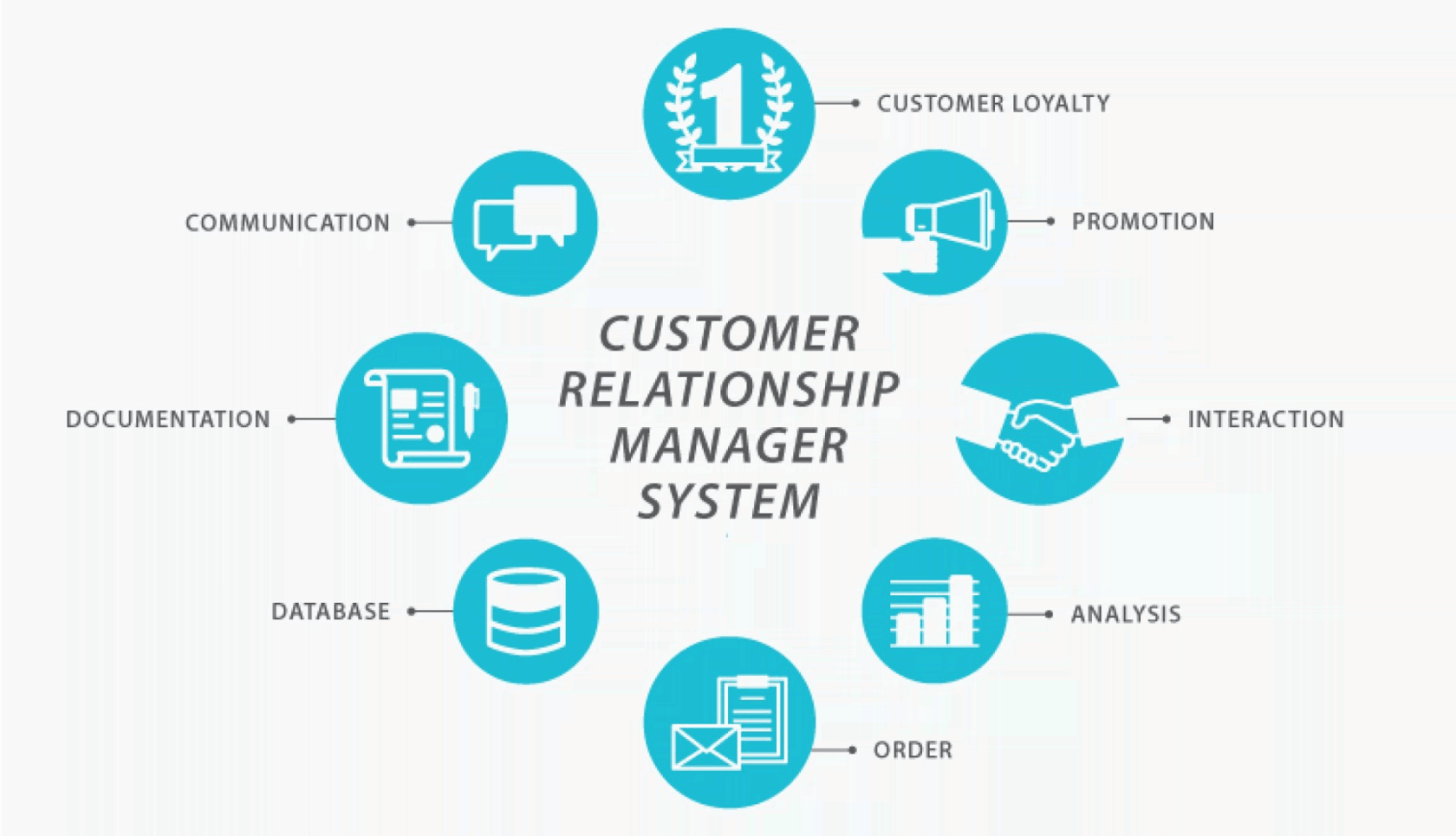
The decision to build a custom CRM versus using a pre-built solution is a significant one. While pre-built CRMs offer ease of use and affordability, a custom CRM can provide a more tailored and powerful solution for specific business needs.
Benefits of a Custom CRM
A custom CRM offers numerous benefits that pre-built solutions may not provide.
- Tailored Functionality: A custom CRM can be designed to meet the unique requirements of your business, including specific workflows, data fields, and integrations. This ensures that the CRM perfectly aligns with your business processes and objectives.
- Enhanced Data Management: Custom CRMs allow for granular control over data collection, storage, and analysis. You can create custom fields, reports, and dashboards to track and analyze specific data points that are crucial to your business.
- Increased Efficiency: By automating repetitive tasks and streamlining workflows, a custom CRM can significantly improve efficiency and productivity. This frees up your team to focus on more strategic tasks.
- Improved Customer Experience: A custom CRM can help you personalize customer interactions and provide a more tailored experience. This can lead to increased customer satisfaction and loyalty.
- Long-Term Cost Savings: While the initial investment in a custom CRM may be higher, it can result in significant long-term cost savings. You won’t have to pay for features you don’t need, and you can avoid the costs associated with switching to a new CRM in the future.
Examples of Successful Custom CRMs, Build my own crm
Many businesses have successfully built their own CRMs to achieve specific goals.
- Salesforce: Initially, Salesforce was a custom CRM built for a specific business need. Its success led to its expansion into a widely used SaaS solution.
- HubSpot: HubSpot, a leading marketing automation platform, also started as a custom CRM developed to address the unique needs of their early customers.
- Netflix: Netflix’s custom CRM allows them to personalize recommendations and improve customer engagement. Their CRM is built to manage a vast amount of data and provide insights into user behavior.
Challenges of Building a Custom CRM
Building a custom CRM involves significant considerations and potential challenges.
- Development Costs: Building a custom CRM requires significant upfront investment in development and maintenance. This can be a major barrier for smaller businesses.
- Time Commitment: Building a custom CRM requires a considerable time commitment, especially if you are not using a pre-built framework. This can be a challenge for businesses with limited resources.
- Technical Expertise: Developing and maintaining a custom CRM requires technical expertise. You will need to have a team of developers or hire external consultants to handle the project.
- Scalability: As your business grows, your CRM needs to scale accordingly. This can be a challenge for custom CRMs, as they may require ongoing development and updates.
Planning Your CRM
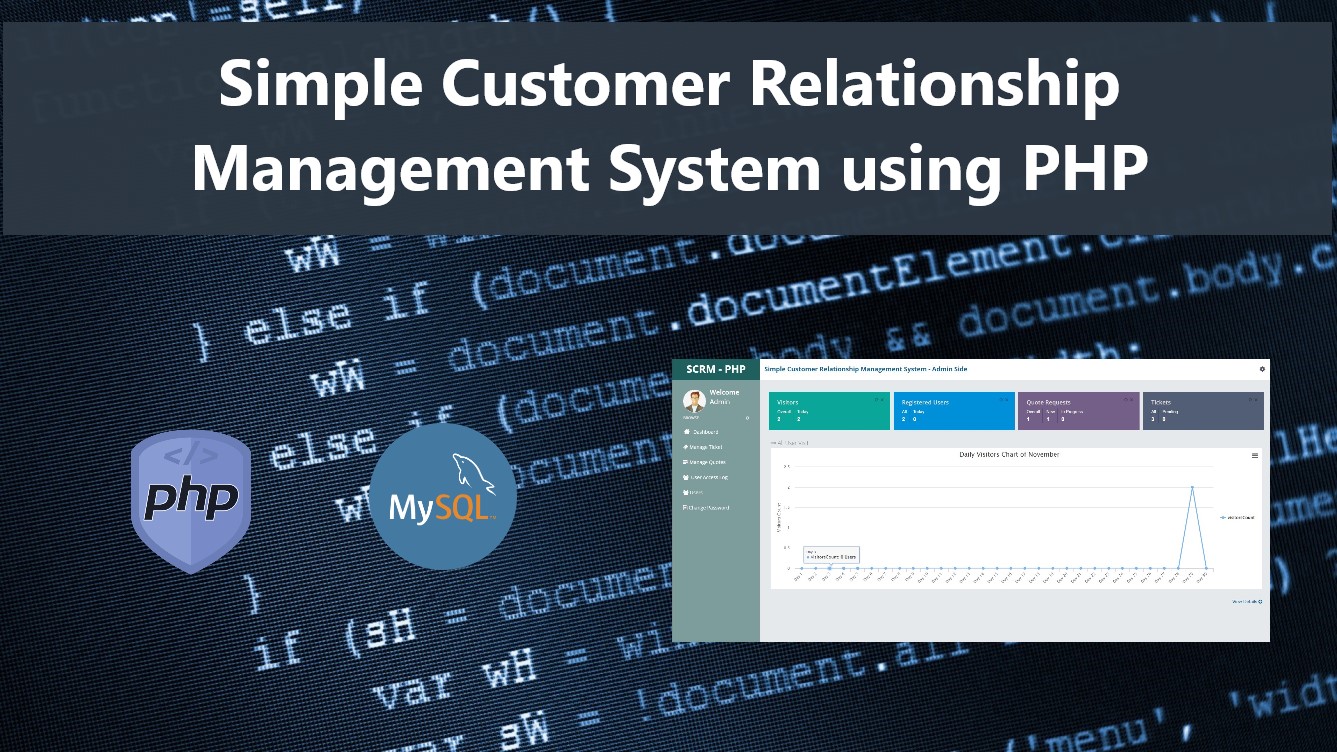
Building a custom CRM is a big undertaking, so careful planning is crucial. You need to understand your business needs and define the specific features that will make your CRM a valuable tool.
Designing a User Journey Flowchart
A flowchart visually maps out the user interactions within your CRM, outlining the steps users take to accomplish specific tasks. This helps you visualize the system’s logic and identify potential bottlenecks.
A well-designed flowchart is a roadmap for your CRM’s development, ensuring a smooth and intuitive user experience.
Here’s a basic example of a flowchart for a sales-focused CRM:
* Start: New lead enters the CRM.
* Step 1: Assign the lead to a salesperson.
* Step 2: Salesperson adds details to the lead’s profile.
* Step 3: Salesperson initiates contact with the lead.
* Step 4: Track communication and interactions.
* Step 5: Qualify the lead.
* Step 6: Move qualified leads to a sales pipeline.
* Step 7: Manage the sales pipeline (opportunities, follow-ups, etc.).
* Step 8: Record the outcome of the sales process.
* End: Lead becomes a customer or is marked as inactive.
Essential Features for Your CRM
Defining the essential features for your CRM is crucial. This depends on your specific business needs and the processes you want to automate.
Prioritize features that will directly benefit your workflow and provide measurable value.
Here’s a list of essential features commonly found in CRMs:
- Contact Management: Storing and organizing contact information, including details like name, email, phone number, company, and social media links.
- Lead Management: Tracking potential customers, capturing lead sources, and managing lead qualification processes.
- Sales Pipeline Management: Visualizing sales opportunities, tracking progress, and managing sales stages.
- Communication and Collaboration: Integrating email, phone calls, and messaging tools for seamless communication with leads and customers.
- Reporting and Analytics: Generating reports on key metrics like sales performance, customer engagement, and marketing effectiveness.
- Task Management: Assigning tasks to team members, setting deadlines, and tracking progress.
- Automation: Automating repetitive tasks like sending email campaigns, scheduling appointments, and generating reports.
- Customization: Tailoring the CRM to your specific business processes and workflows.
- Integration: Connecting with other business applications like email marketing platforms, accounting software, and project management tools.
Data Points to Collect and Manage
Understanding the data points you need to collect and manage is crucial for building a successful CRM. This data will power your reports, analytics, and insights, enabling you to make informed decisions.
Identify the data points that are most relevant to your business goals and ensure they are accurately captured and organized.
Here’s a table outlining essential data points to consider:
| Data Point | Description | Importance |
|---|---|---|
| Contact Information | Name, email, phone number, address, company, job title, social media links | Essential for communication and lead management. |
| Lead Source | Website, social media, referral, event, advertising campaign | Understanding where leads originate helps optimize marketing efforts. |
| Lead Qualification | Fit with target market, budget, timeline, interest level | Identifying qualified leads helps focus sales efforts on high-potential opportunities. |
| Sales Pipeline Stage | Lead, qualified lead, proposal, negotiation, closed won, closed lost | Tracking sales progress provides insights into conversion rates and areas for improvement. |
| Communication History | Emails, phone calls, meetings, notes | Understanding past interactions helps personalize communication and build relationships. |
| Customer Segmentation | Demographics, purchase history, engagement level | Grouping customers based on shared characteristics enables targeted marketing and sales strategies. |
| Customer Feedback | Surveys, reviews, support tickets | Gathering customer feedback provides valuable insights for product development and customer satisfaction improvement. |
Closure
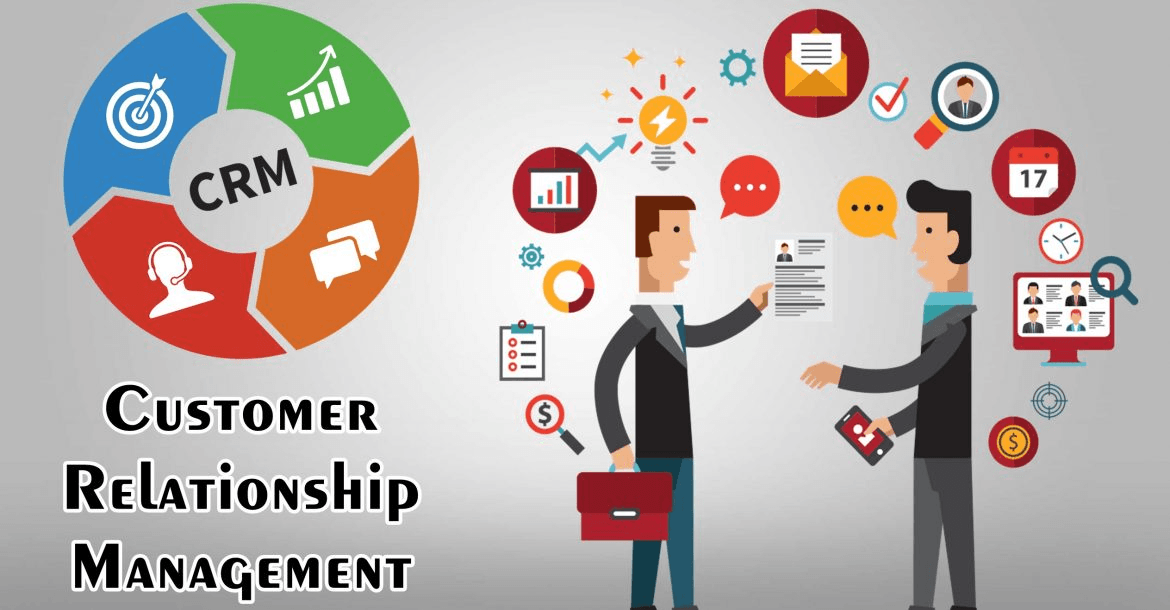
By taking the time to understand your business requirements, carefully planning your CRM architecture, and leveraging the right development approach, you can build a custom solution that truly empowers your business. From streamlined lead tracking to insightful reporting, a custom CRM can become a strategic asset that drives growth, enhances customer relationships, and propels your business forward.
Key Questions Answered
What are some common examples of businesses that have successfully built their own CRM?
Many businesses have built their own CRM, particularly those with complex needs or specific industry requirements. Examples include:
- Salesforce: Initially, Salesforce built their own CRM to manage their own sales processes, later expanding to offer their solution to others.
- HubSpot: HubSpot started as a custom CRM solution for their own marketing and sales efforts, eventually becoming a leading CRM platform.
- Smaller businesses: Many smaller businesses have built their own CRM using open-source tools or low-code platforms to address their unique needs and budget constraints.
What are the key considerations for choosing a development approach for a custom CRM?
The best development approach depends on factors like your budget, technical expertise, and the complexity of your CRM requirements. Consider these key aspects:
- Cost: Custom coding can be expensive, while low-code platforms offer more affordable options.
- Flexibility: Custom coding provides the most flexibility, while open-source solutions offer a balance of cost and customization.
- Technical expertise: Custom coding requires strong development skills, while low-code platforms are more accessible to non-technical users.
How can I ensure data accuracy and consistency within my custom CRM?
Data integrity is crucial for a successful CRM. Implement these strategies:
- Data validation: Use input validation rules to prevent errors during data entry.
- Data cleansing: Regularly clean and update your data to remove duplicates and inconsistencies.
- Data governance: Establish clear data management policies and procedures.
- Data integration: Ensure seamless integration with other business systems to maintain data consistency.