Best crm for consulting business – Finding the best CRM for a consulting business is crucial for managing client relationships, projects, and data effectively. A well-chosen CRM can streamline operations, enhance profitability, and ultimately lead to a more successful consulting practice.
This guide delves into the specific needs of consulting firms, exploring essential CRM features, popular solutions, and key factors to consider when making a selection. We’ll also provide practical tips for implementation and maximizing the benefits of your chosen CRM system.
Factors to Consider When Choosing a CRM
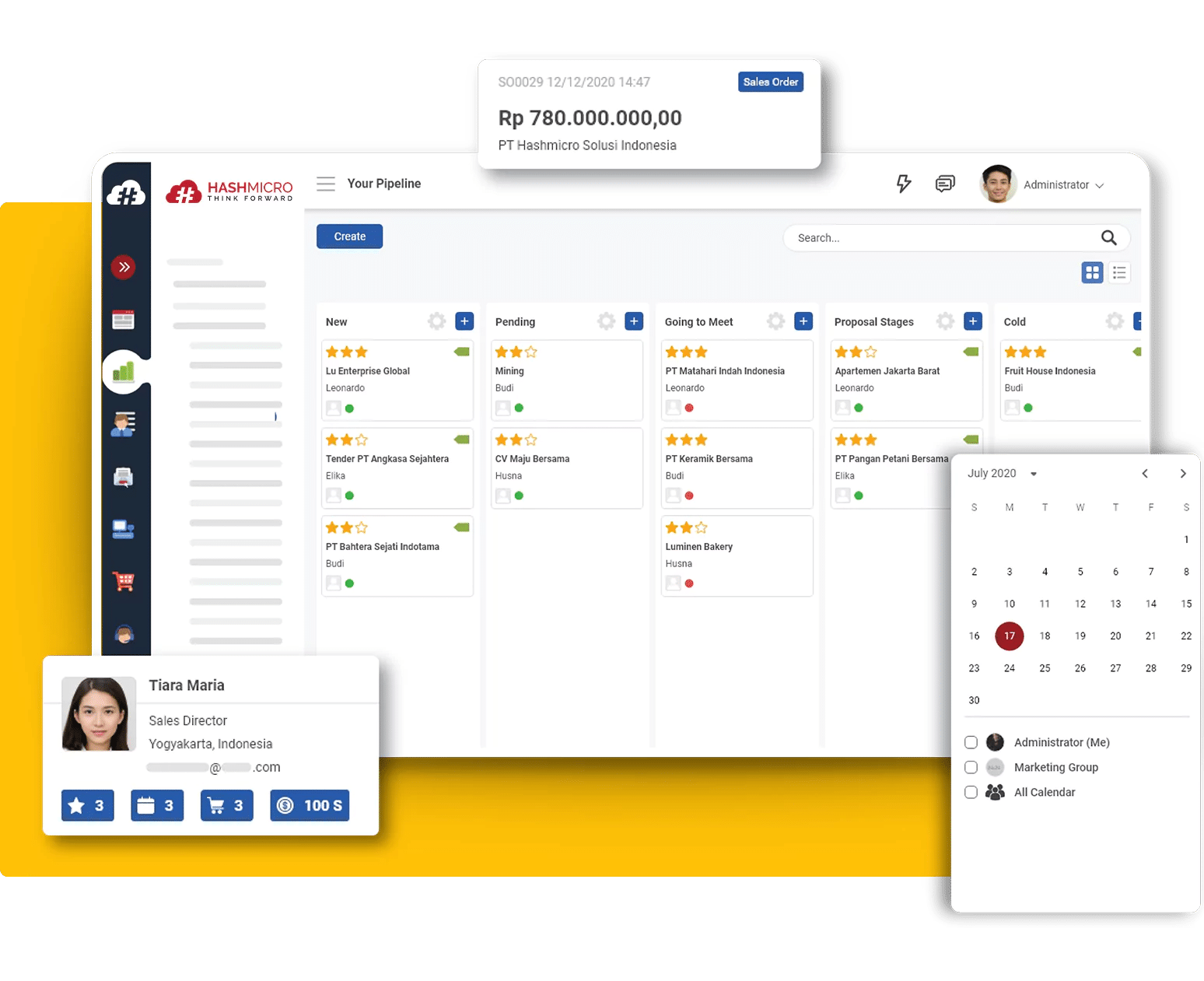
Selecting the right CRM system is crucial for consulting firms to manage client relationships, track projects, and streamline operations. It’s not a decision to be taken lightly. Here’s a comprehensive guide to help you make an informed choice.
Budget Considerations
The cost of a CRM system can vary significantly, depending on the features, functionality, and number of users. Consulting firms should carefully consider their budget and choose a system that offers the best value for money. A good approach is to create a budget range and then evaluate CRM systems within that range. This helps to narrow down the options and prevent overspending.
Firm Size and Growth
The size of your consulting firm plays a significant role in determining the right CRM system. Smaller firms might benefit from a simple, affordable CRM with basic features, while larger firms may need a more comprehensive system with advanced features and scalability. It’s important to choose a system that can accommodate your current needs and future growth. Consider a system that can scale up as your firm expands, allowing for more users and features.
Specific Business Needs
Consulting firms have unique business needs that require specialized CRM features. For example, a firm focused on project management might need a CRM with robust project tracking capabilities, while a firm that relies heavily on referrals might need a system with strong lead management features. Carefully assess your firm’s specific needs and select a CRM system that can meet them.
Integration Requirements
Consulting firms often use various software applications, such as accounting software, project management tools, and email marketing platforms. It’s crucial to choose a CRM system that integrates seamlessly with these existing applications. This ensures data consistency and avoids duplication of effort. Consider a CRM with a robust API (Application Programming Interface) that allows for easy integration with other tools.
Evaluation and Trial Periods
Once you’ve identified a few potential CRM systems, it’s important to evaluate them thoroughly. This includes reviewing their features, functionality, pricing, and customer support. Most CRM providers offer free trials, allowing you to test the system before committing. A trial period allows you to evaluate the user interface, data management capabilities, and overall usability of the system. It also helps you determine if the CRM system meets your specific needs and integrates well with your existing applications.
Implementing and Utilizing a CRM: Best Crm For Consulting Business

Implementing a CRM system within a consulting firm requires a structured approach to ensure successful adoption and maximize its benefits. This involves careful planning, data migration, user training, and continuous optimization to align the CRM with your business processes and goals.
Data Migration
Data migration is a critical step in CRM implementation, ensuring the smooth transfer of existing client and project information into the new system. This process requires meticulous planning and execution to avoid data loss or inconsistencies.
- Identify Data Sources: Begin by identifying all existing data sources, such as spreadsheets, databases, and email lists. This step ensures a comprehensive data inventory for migration.
- Data Cleansing and Standardization: Before migrating data, it’s essential to clean and standardize it. This involves removing duplicates, correcting errors, and ensuring consistent formatting across all data sources.
- Data Mapping: Create a data mapping document that Artikels the relationship between fields in your existing systems and the corresponding fields in the CRM. This document serves as a guide for data migration and ensures accurate data transfer.
- Incremental Migration: Instead of migrating all data at once, consider an incremental approach. This allows you to test the migration process and identify any issues before migrating the entire dataset.
- Data Verification: After migrating data, it’s crucial to verify its accuracy and completeness. This can be done through manual checks or automated data validation tools.
User Training
Effective user training is crucial for maximizing CRM adoption and utilization. Training should be tailored to the specific needs and roles of users within the consulting firm.
- Define Training Objectives: Clearly define the training objectives, such as familiarizing users with CRM functionalities, demonstrating best practices for data entry and management, and outlining how the CRM can support their specific roles.
- Develop a Training Curriculum: Create a structured training curriculum that covers all essential aspects of the CRM, including navigation, data entry, reporting, and customization. This curriculum should be accessible to users with varying levels of technical expertise.
- Offer Multiple Training Formats: Provide training in various formats, such as online courses, webinars, in-person workshops, and interactive tutorials. This allows users to choose the format that best suits their learning preferences.
- Provide Ongoing Support: Offer ongoing support through user manuals, FAQs, and dedicated support channels. This ensures users can access assistance when needed and encourages them to fully utilize the CRM.
Process Optimization
Integrating the CRM into your existing business processes is essential for maximizing its effectiveness. This involves streamlining workflows, automating tasks, and leveraging CRM features to improve efficiency and productivity.
- Identify Key Processes: Begin by identifying key business processes that can be enhanced by the CRM, such as client onboarding, project management, and communication.
- Map Existing Processes: Map your existing processes to understand how they currently function and identify areas for improvement. This provides a baseline for optimization.
- Develop New Processes: Develop new processes that leverage the CRM’s functionalities. This might involve automating tasks, streamlining communication, or improving data visibility.
- Implement and Monitor: Implement the new processes and monitor their effectiveness. This involves tracking key metrics and making adjustments as needed to ensure continuous optimization.
Maximizing CRM Utilization, Best crm for consulting business
Once implemented, maximizing CRM utilization is crucial for achieving desired business outcomes. This involves actively engaging with the system, leveraging its features to enhance client engagement, improve project management, and drive business growth.
- Regularly Update Client Information: Maintain accurate and up-to-date client information within the CRM. This ensures you have the latest insights into client needs, preferences, and project details.
- Utilize Communication Features: Leverage the CRM’s communication features to streamline client interactions. This might involve automated email campaigns, personalized messages, or scheduling appointments.
- Track Project Progress: Utilize the CRM’s project management features to track project progress, deadlines, and milestones. This provides a centralized platform for managing projects and ensuring timely completion.
- Analyze Performance Data: Regularly analyze CRM data to gain insights into client behavior, project performance, and sales trends. This information can be used to identify areas for improvement and make informed business decisions.
Leveraging CRM Data for Business Decisions
CRM data provides valuable insights into client behavior, project performance, and sales trends. By leveraging this data, you can make informed business decisions that drive growth and optimize operations.
- Identify High-Value Clients: Analyze client data to identify high-value clients who generate the most revenue or have the highest potential for future growth. This allows you to prioritize resources and tailor services to their specific needs.
- Track Sales Performance: Monitor sales performance metrics, such as conversion rates, deal sizes, and sales cycle length. This information can be used to identify areas for improvement and optimize sales processes.
- Analyze Project Success Rates: Analyze project data to understand project success rates, identify factors contributing to success or failure, and improve project management strategies.
- Forecast Future Growth: Leverage historical data to forecast future growth and identify potential opportunities. This allows you to make proactive decisions and allocate resources effectively.
Closing Summary

In conclusion, selecting the right CRM for your consulting business is a significant investment in your firm’s future. By carefully evaluating your needs, exploring available solutions, and implementing the system effectively, you can leverage the power of CRM to enhance client engagement, optimize operations, and drive sustainable growth.
FAQ Overview
What are the key challenges faced by consulting businesses?
Consulting firms often face challenges in managing client relationships, tracking projects, and ensuring data consistency. They need a CRM that can handle these complexities and provide a centralized platform for information.
What are some examples of CRM features essential for consulting firms?
Essential features include contact management, lead generation, opportunity tracking, project management, time tracking, billing, and reporting. These features help streamline operations and provide valuable insights into client interactions and project progress.
How do I choose the right CRM for my consulting business?
Consider your budget, the size of your firm, specific business needs, integration requirements, and the ease of use of the CRM. It’s also essential to conduct a thorough trial period before committing to a particular solution.