The Best CRM Ever sets the stage for this enthralling narrative, offering readers a glimpse into a story that is rich in detail and brimming with originality from the outset. Finding the right CRM can be a daunting task, but it’s essential for businesses of all sizes to manage customer relationships effectively. This guide provides a comprehensive overview of what makes a CRM truly “best,” covering key features, user experience, integration, security, cost, and real-world examples.
We’ll delve into the criteria that define a top-tier CRM, exploring the essential features that set them apart and the benefits they bring to businesses. We’ll also discuss the importance of a user-friendly interface, seamless integration with other business tools, and robust security measures. By understanding these critical factors, you can make an informed decision and choose the CRM that best meets your specific needs.
Cost and Value
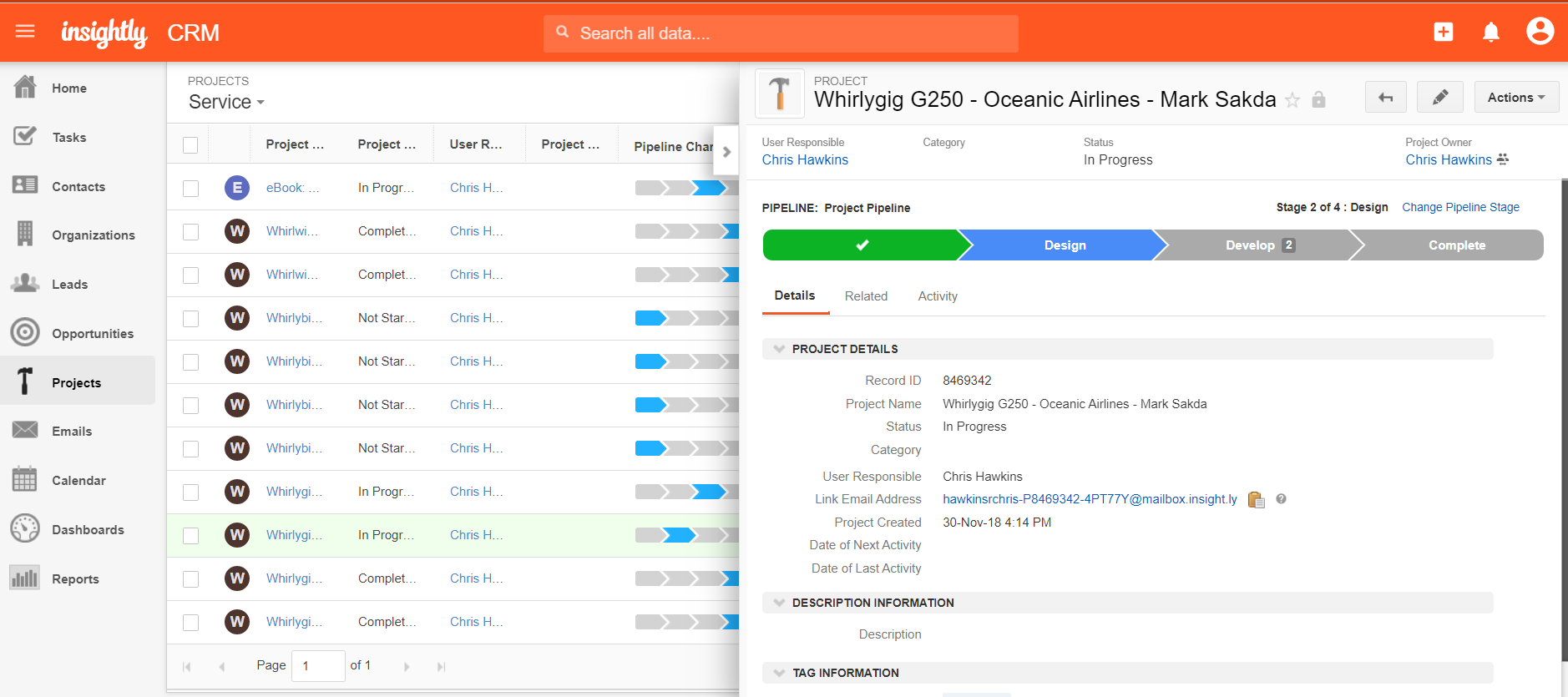
Choosing the right CRM solution involves careful consideration of cost and value. This section explores various pricing models, cost considerations, and the potential return on investment (ROI) associated with CRM implementation. Understanding these aspects will help you make informed decisions about the best CRM for your specific needs and budget.
Pricing Models and Cost Considerations
CRM solutions come with a range of pricing models, each with its own advantages and disadvantages. The cost of a CRM depends on several factors, including the number of users, features, integrations, and support services.
- Subscription-based pricing: This is the most common model, where you pay a monthly or annual fee based on the number of users and features. This model offers flexibility and scalability, allowing you to adjust your plan as your business grows.
- Per-user pricing: This model charges a fixed fee per user, regardless of the features used. It’s suitable for businesses with a large number of users and predictable usage patterns.
- Feature-based pricing: This model charges based on the specific features you choose. It’s ideal for businesses that require only a few specific functionalities.
- Tiered pricing: This model offers different pricing tiers based on the level of features and support. It provides a range of options for businesses with varying needs and budgets.
Return on Investment (ROI) of CRM
Investing in a CRM can yield significant returns, but it’s essential to measure and track your ROI to justify the investment.
ROI = (Gain from Investment – Cost of Investment) / Cost of Investment
- Improved customer retention: A CRM helps you understand your customers better, leading to personalized interactions and increased customer satisfaction.
- Increased sales productivity: CRM tools automate tasks, streamline workflows, and provide insights that empower sales teams to close more deals.
- Enhanced marketing effectiveness: CRM data allows you to segment your audience, personalize campaigns, and measure the impact of your marketing efforts.
- Reduced operational costs: Automation and improved efficiency can reduce administrative overhead and streamline processes, leading to cost savings.
Cost-Effectiveness of Different CRM Options, Best crm ever
When comparing CRM options, consider the following factors:
- Features and functionalities: Choose a CRM that offers the features you need without unnecessary extras.
- Ease of use: A user-friendly interface ensures quick adoption and reduces training costs.
- Scalability: Select a CRM that can grow with your business as your needs evolve.
- Integrations: Look for a CRM that integrates with your existing tools and systems.
- Support and documentation: Ensure that the CRM provider offers adequate support and documentation to help you get the most out of your investment.
Future Trends in CRM
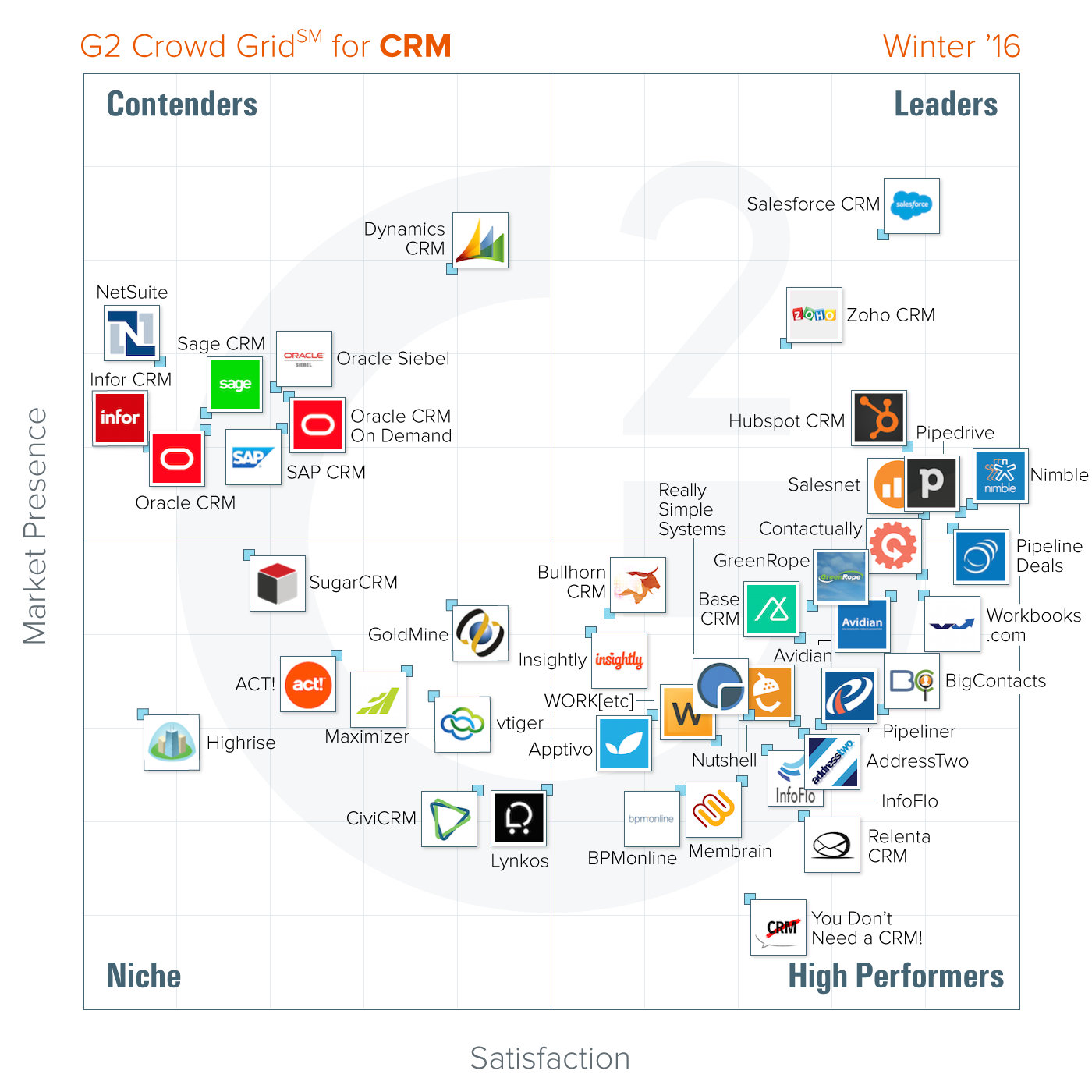
The CRM landscape is constantly evolving, driven by advancements in technology and changing customer expectations. Emerging trends are reshaping how businesses interact with their customers, leading to more personalized and efficient experiences.
Impact of AI and ML on CRM
AI and ML are transforming the CRM landscape by automating tasks, improving customer insights, and personalizing interactions.
- AI-powered chatbots are becoming increasingly sophisticated, providing instant support and resolving queries 24/7. For instance, a chatbot can be trained to understand customer inquiries, provide product information, and even assist with order placement. This frees up human agents to focus on more complex tasks.
- ML algorithms analyze vast amounts of customer data to identify patterns and predict future behavior. This enables businesses to personalize marketing campaigns, recommend products, and anticipate customer needs. For example, a retailer could use ML to predict which customers are likely to purchase a specific product based on their past purchases and browsing history.
- AI can also automate tasks such as lead scoring, appointment scheduling, and data entry, freeing up CRM professionals to focus on strategic initiatives. For example, an AI-powered system can analyze leads based on their demographics, website activity, and other factors to determine their likelihood of converting.
Predictions for the Future of CRM
CRM is expected to become even more integrated with other business functions, such as marketing, sales, and customer service. This will create a more holistic view of the customer journey, enabling businesses to deliver seamless experiences across all touchpoints.
- The rise of omnichannel CRM will allow businesses to interact with customers across multiple channels, including social media, email, chat, and mobile apps. This will ensure a consistent customer experience regardless of the channel they use.
- CRM systems will become increasingly intelligent, leveraging AI and ML to personalize interactions, predict customer behavior, and automate tasks. This will lead to more efficient and effective CRM operations.
- The focus on customer experience will continue to drive CRM innovation. Businesses will invest in technologies that enhance customer satisfaction, loyalty, and advocacy.
End of Discussion: Best Crm Ever
Ultimately, the “best” CRM is the one that aligns perfectly with your business goals and empowers you to build stronger customer relationships. By carefully considering the criteria Artikeld in this guide, you can embark on a journey to discover the CRM that will transform your business and propel it towards greater success. Don’t hesitate to explore the resources available, from case studies to community forums, to gain valuable insights and make an informed choice.
Query Resolution
What are the most popular CRM platforms?
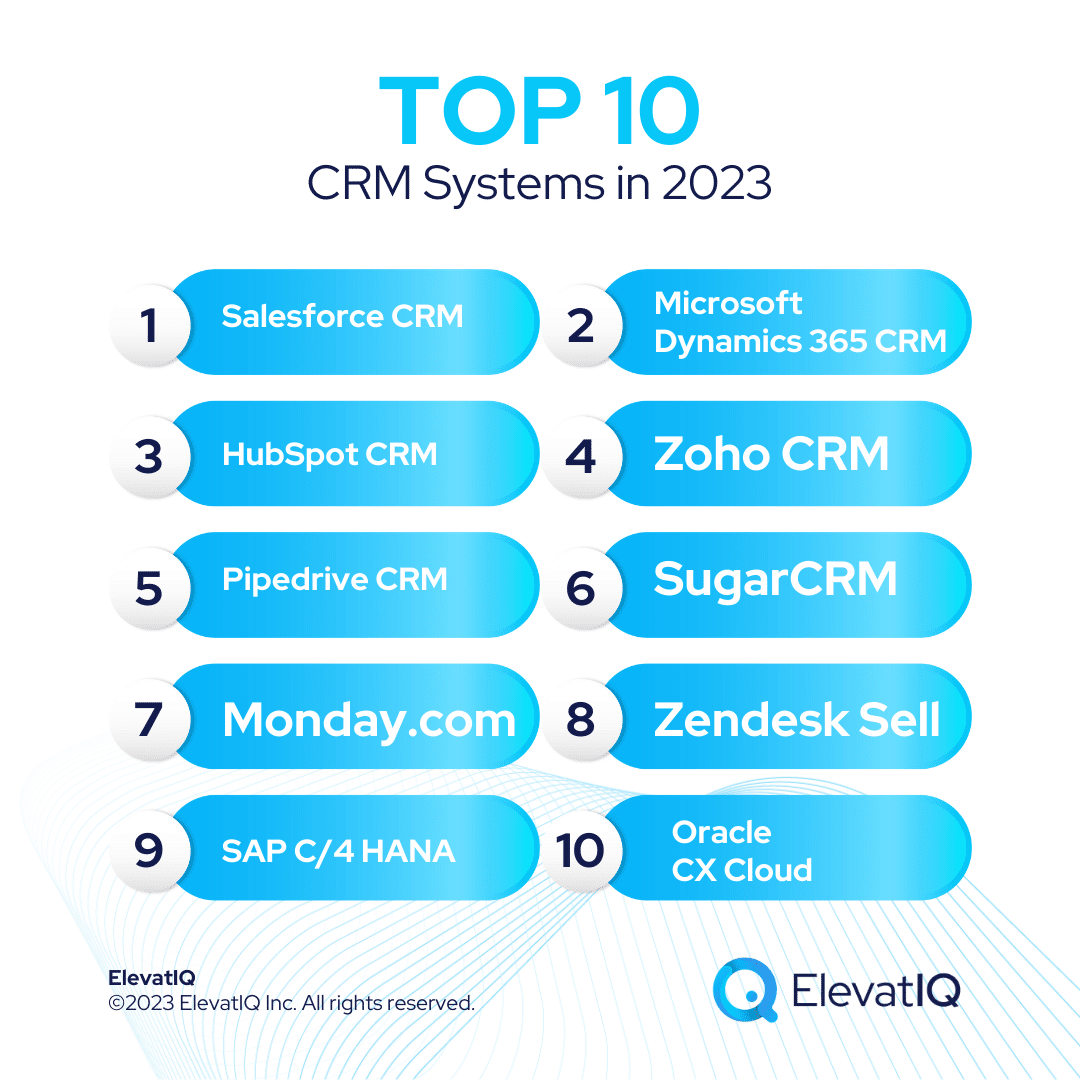
Some of the most popular CRM platforms include Salesforce, HubSpot, Zoho CRM, Microsoft Dynamics 365, and Pipedrive. Each platform offers a unique set of features and caters to different business needs.
Is CRM right for my small business?
Absolutely! Even small businesses can benefit significantly from using a CRM. It helps you stay organized, track customer interactions, and improve communication, leading to better customer satisfaction and increased sales.
How much does a CRM cost?
CRM pricing varies widely depending on the platform, features, and number of users. Some platforms offer free plans for small businesses, while others have tiered pricing based on your specific requirements.
What are the benefits of using a CRM?
The benefits of using a CRM are numerous, including improved customer relationships, increased sales, better marketing effectiveness, enhanced team collaboration, and streamlined business processes.