Best CRM and marketing automation for small business can be a game-changer, allowing you to streamline operations, nurture leads, and boost sales. These powerful tools can automate repetitive tasks, personalize customer interactions, and provide valuable insights into your audience. By integrating CRM and marketing automation, you can build stronger customer relationships, increase brand loyalty, and drive sustainable growth for your business.
Imagine a world where you can automatically send personalized emails based on customer behavior, track your sales pipeline with ease, and gain a comprehensive understanding of your customer journey. This is the power of CRM and marketing automation, and it’s accessible to businesses of all sizes.
Key Features of CRM and Marketing Automation Systems
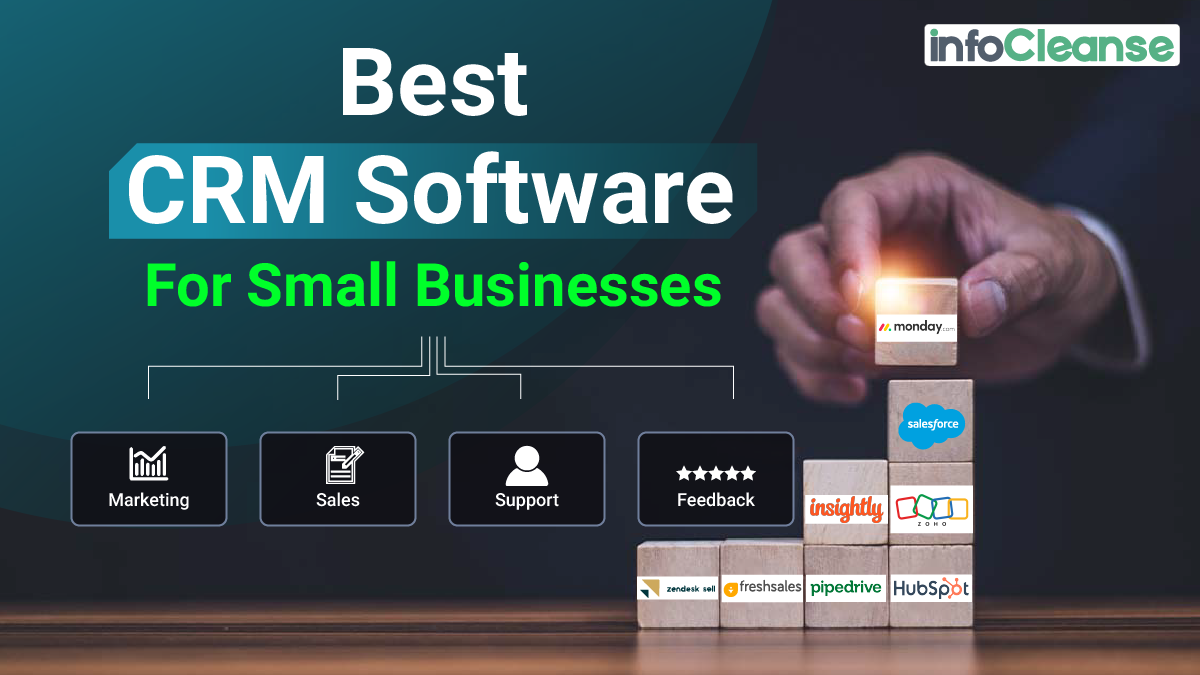
A robust CRM and marketing automation system can be a game-changer for small businesses. They offer a powerful combination of tools to manage customer relationships, streamline marketing efforts, and drive growth. Understanding the key features of each system is crucial for choosing the right solution and maximizing its benefits.
CRM System Features
CRM systems are designed to centralize and organize customer information, enabling businesses to manage interactions and build lasting relationships.
- Contact Management: CRM systems provide a centralized database for storing customer information, including contact details, purchase history, communication logs, and preferences. This allows businesses to easily access and manage customer data, ensuring consistent communication and personalized interactions.
- Sales Pipeline Management: CRM systems help businesses visualize and track the progress of sales opportunities through different stages of the sales funnel. This feature enables businesses to monitor deals, identify bottlenecks, and allocate resources effectively.
- Customer Support: CRM systems can facilitate efficient customer support by providing tools for managing inquiries, tracking issues, and resolving problems. This feature helps businesses improve customer satisfaction and build loyalty.
- Reporting and Analytics: CRM systems generate valuable insights into customer behavior, sales performance, and marketing effectiveness. Businesses can leverage these reports to make data-driven decisions, optimize strategies, and identify areas for improvement.
Marketing Automation System Features
Marketing automation systems streamline and automate marketing tasks, enabling businesses to reach a wider audience and personalize their campaigns.
- Email Marketing: Marketing automation systems offer powerful email marketing tools for creating, sending, and tracking email campaigns. These systems allow businesses to segment their audience, personalize messages, and measure campaign performance.
- Social Media Marketing: Some marketing automation systems integrate with social media platforms, enabling businesses to schedule posts, monitor conversations, and run targeted social media campaigns. This feature helps businesses engage with their audience and build brand awareness.
- Lead Nurturing: Marketing automation systems can automate the process of nurturing leads through personalized email sequences, content offers, and targeted messaging. This helps businesses build relationships with potential customers and guide them through the sales funnel.
- Campaign Management: Marketing automation systems provide a centralized platform for managing and tracking marketing campaigns across multiple channels. This feature enables businesses to coordinate efforts, measure results, and optimize campaigns for better performance.
CRM and Marketing Automation Integration
Integrating a CRM and marketing automation system creates a powerful synergy that enhances both customer relationship management and marketing efforts.
- Unified Customer View: Integration provides a comprehensive view of customer data across both systems, enabling businesses to personalize interactions and tailor marketing messages based on individual preferences and behaviors.
- Streamlined Workflow: Integration automates data transfer and communication between systems, streamlining workflows and reducing manual tasks. This frees up valuable time for businesses to focus on strategic initiatives.
- Enhanced Lead Generation and Nurturing: By combining CRM and marketing automation, businesses can identify and qualify leads more effectively, nurture them through personalized campaigns, and accelerate the sales cycle.
- Improved Customer Experience: Integration allows businesses to provide a more personalized and consistent customer experience across all touchpoints, building trust and loyalty.
Choosing the Right CRM and Marketing Automation System for Your Business: Best Crm And Marketing Automation For Small Business
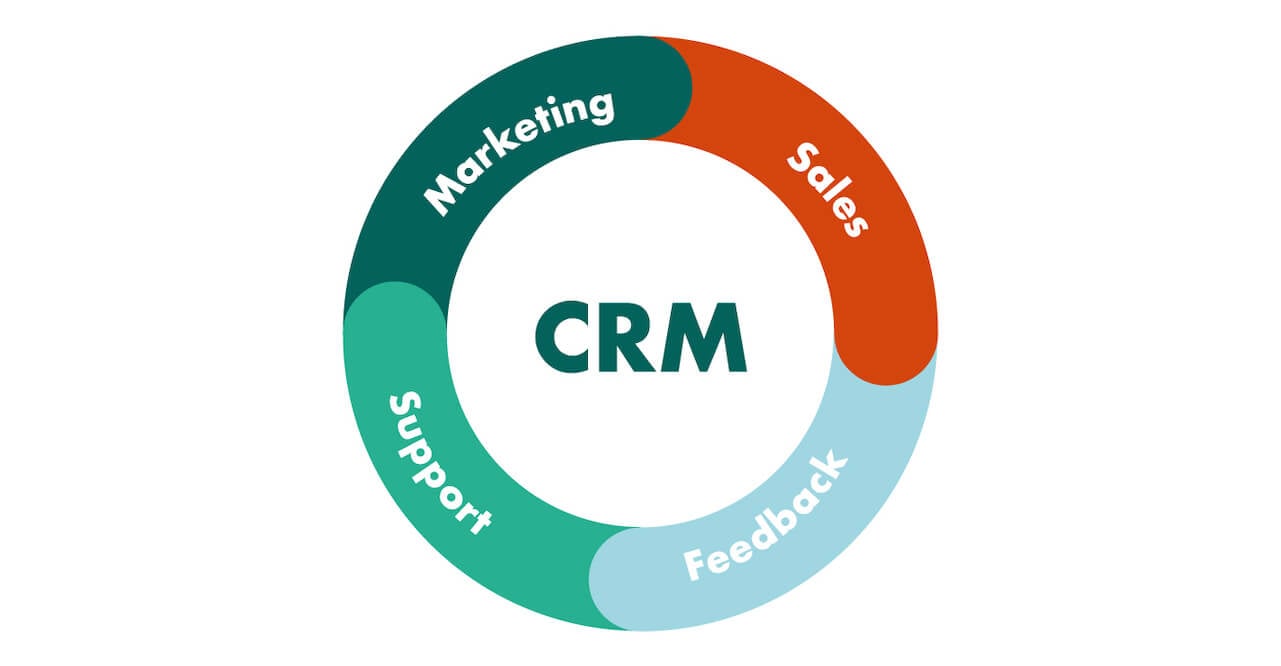
Selecting the right CRM and marketing automation system is crucial for small businesses to streamline operations, improve customer relationships, and drive growth. It’s essential to choose a system that aligns with your specific needs, budget, and technical expertise.
Factors to Consider When Choosing a CRM and Marketing Automation System
- Size and Complexity of Your Business: Consider the number of customers, employees, and departments you have. If you’re a small business with a limited number of customers and employees, you might not need a robust system with advanced features. However, if you have a larger and more complex business, you’ll need a system that can handle a higher volume of data and provide more sophisticated functionality.
- Marketing Goals: Define your marketing goals, such as increasing brand awareness, generating leads, or driving sales. Choose a system that offers features and tools that align with your goals. For example, if you want to focus on email marketing, ensure the system has a robust email marketing module.
- Budget: CRM and marketing automation systems come in various price ranges. Determine your budget and look for a system that offers the features you need within your price range. Consider factors like monthly subscriptions, setup fees, and training costs.
- Technical Expertise: Evaluate your team’s technical expertise and choose a system that’s easy to use and manage. Some systems are more complex than others, and you’ll need a team with the necessary skills to implement and maintain them. If your team lacks technical expertise, consider systems with user-friendly interfaces and excellent customer support.
Decision Tree for Choosing the Right CRM and Marketing Automation System
- Start with your business needs: Determine your key goals and the specific features you need. For example, do you need robust email marketing capabilities, lead scoring, or customer segmentation?
- Consider your budget: Set a realistic budget and look for systems that fit within your price range. Remember to factor in ongoing costs like monthly subscriptions and support fees.
- Evaluate your technical expertise: Choose a system that matches your team’s technical capabilities. If you have limited technical expertise, opt for a user-friendly system with good customer support.
- Research potential vendors: Look for vendors that offer a good reputation, strong customer support, and a system that aligns with your needs.
- Compare features and pricing: Create a shortlist of potential vendors and compare their features, pricing, and customer reviews.
- Request demos: Schedule demos with the shortlisted vendors to see the systems in action and ask questions.
- Make your decision: Choose the system that best meets your needs, budget, and technical expertise. Remember to consider factors like user-friendliness, integration capabilities, and customer support.
Questions to Ask Potential Vendors
- What are the system’s key features and benefits?
- What are the pricing options and subscription plans?
- What level of customer support is provided?
- How easy is the system to use and integrate with other tools?
- What are the system’s security measures?
- Does the vendor offer training and onboarding support?
- Can you provide case studies or testimonials from similar businesses?
Future Trends in CRM and Marketing Automation
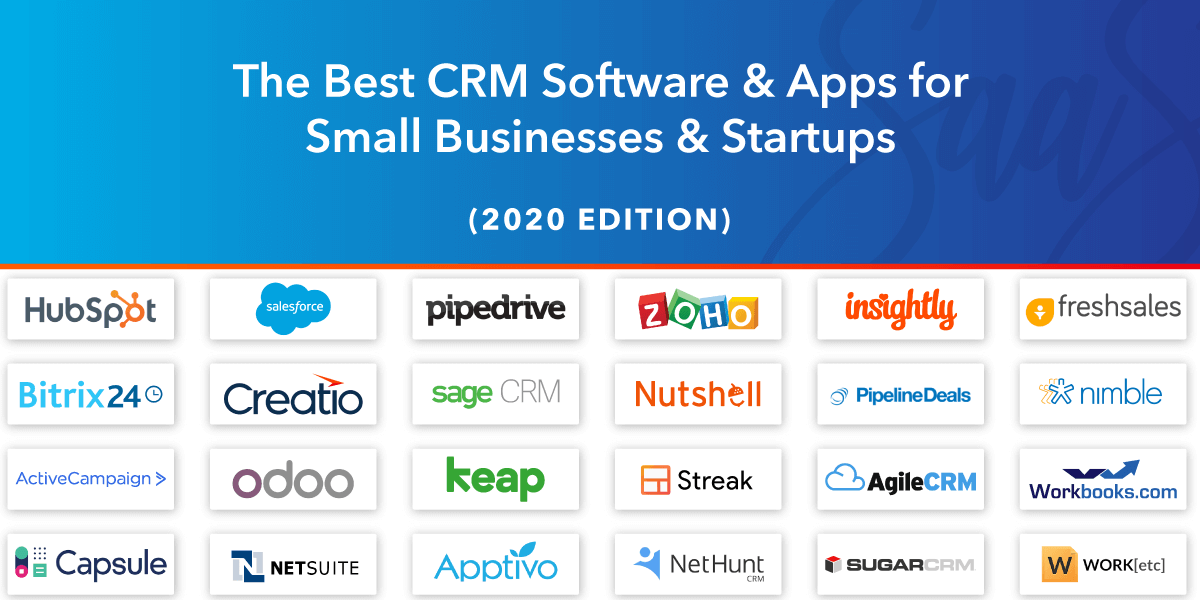
The world of CRM and marketing automation is constantly evolving, driven by advancements in technology and the changing needs of businesses. As we move forward, several emerging trends will shape the future of these systems, offering exciting possibilities for small businesses to enhance their operations and customer engagement.
Artificial Intelligence (AI) and Machine Learning (ML), Best crm and marketing automation for small business
AI and ML are revolutionizing CRM and marketing automation by enabling systems to analyze vast amounts of data, identify patterns, and make predictions. This empowers businesses to personalize customer interactions, optimize marketing campaigns, and automate repetitive tasks.
- Predictive Analytics: AI-powered CRM systems can analyze customer data to predict future behavior, such as purchase likelihood, churn risk, and product preferences. This allows businesses to proactively target customers with personalized offers and improve customer retention.
- Automated Customer Service: AI-powered chatbots and virtual assistants can handle basic customer inquiries, freeing up human agents to focus on more complex issues. This improves customer satisfaction and reduces response times.
- Marketing Campaign Optimization: ML algorithms can analyze campaign performance data to identify the most effective channels, messaging, and targeting strategies. This helps businesses optimize their marketing spend and maximize ROI.
Omnichannel Marketing
Omnichannel marketing focuses on creating a seamless customer experience across all touchpoints, whether online or offline. CRM and marketing automation systems are crucial for enabling omnichannel strategies.
- Unified Customer View: Omnichannel CRM systems provide a single view of customer interactions across all channels, enabling businesses to understand customer journeys and tailor their communications accordingly.
- Personalized Messaging: Businesses can leverage customer data to deliver personalized messages across different channels, ensuring consistency and relevance. For example, a customer who has abandoned their shopping cart online might receive a targeted email or SMS message reminding them of their items.
- Real-Time Communication: Omnichannel CRM systems enable businesses to communicate with customers in real-time, regardless of the channel they are using. This allows for immediate responses to inquiries, updates on order status, and personalized recommendations.
Conclusion
Investing in the right CRM and marketing automation solution can be a strategic decision that sets your small business up for success. By leveraging these tools, you can enhance customer engagement, optimize marketing campaigns, and ultimately, achieve your business goals. As technology continues to evolve, CRM and marketing automation will play an even more critical role in shaping the future of small businesses. By embracing these innovations, you can stay ahead of the curve and position your business for continued growth and success.
Question & Answer Hub
What are the key differences between CRM and marketing automation?
CRM focuses on managing customer relationships, while marketing automation focuses on automating marketing tasks and campaigns. CRM helps you organize customer data, track interactions, and manage sales pipelines. Marketing automation automates tasks like email marketing, social media campaigns, and lead nurturing.
How can I choose the right CRM and marketing automation system for my business?
Consider factors like your budget, business size, marketing goals, and technical expertise. Research different platforms, compare features and pricing, and read user reviews. It’s also helpful to request demos and speak with vendors to understand their offerings.
What are some common challenges faced by small businesses when implementing CRM and marketing automation?
Common challenges include data entry, integration with existing systems, training employees, and measuring ROI. It’s important to have a clear implementation plan, provide adequate training, and track your results to overcome these challenges.